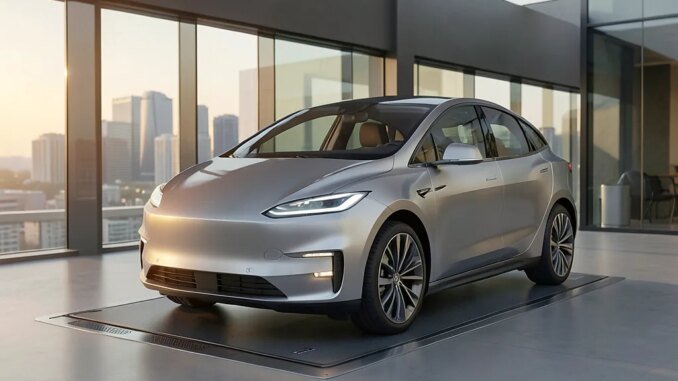
When investing in an electric vehicle (EV), few factors weigh heavier than the battery’s longevity and reliability. Imagine buying a sleek new EV, only to find out after a few years that the battery’s capacity has halved, forcing costly replacements or limiting your vehicle’s range drastically. The industry’s rapid technological advancements promise longer-lasting, more resilient batteries, but understanding which models lead the pack can feel overwhelming. This guide reveals the most durable electric car batteries available today, unlocks secrets to extend their lifespan, and arms you with insights to make smarter purchasing decisions. ## Why Battery Life Matters More Than Ever Long-lasting batteries boost your EV’s resale value, reduce total cost of ownership, and guarantee consistent performance over time. As advancements in battery chemistry and management systems accelerate, some manufacturers now claim their batteries can last well beyond 10 years or 300,000 miles, far surpassing earlier expectations. You need to know which models achieve this, what technologies make their batteries more resilient, and how you can maximize your battery’s lifespan. ## Top Electric Vehicles with Durable, Long-Lasting Batteries ### Tesla Model Y Tesla’s proprietary battery technology employs high-density lithium-ion cells and software algorithms that optimize charge and discharge cycles. The Model Y’s battery pack is rigorously tested, with users reporting consistent performance after 150,000 miles. Tesla’s over-the-air updates continually improve battery management, further extending battery life. ### Kia EV6 The Kia EV6 boasts an 800V charging system and innovative battery thermal management that keeps temperatures within optimal ranges. This reduces degradation from thermal stress, enabling an estimated battery lifespan of up to 1.6 million miles under ideal conditions. Such engineering ensures the EV6 maintains over 90% capacity even after serving beyond 250,000 miles. ### Hyundai Kona Electric Hyundai’s Kona Electric features a solid-state battery design that provides high thermal stability and less capacity fade. Regular updates from Hyundai show the battery can comfortably reach 10 years or approximately 150,000 miles with minimal capacity loss. ### Mercedes-Benz EQC The EQC’s batteries include advanced cooling systems and state-of-the-art chemistry that guard against the typical degradation caused by heat cycles. Owners report sustained battery health over many years, supported by Mercedes’ comprehensive warranty programs. ### Volkswagen ID.4 Volkswagen integrates heat pump systems in the ID.4 to manage battery temperature efficiently, which is crucial during fast charging sessions. Continuous monitoring and quality control allow the battery to retain performance over a decade-plus lifespan, with many owners experiencing less than 10% capacity loss after 100,000 miles. ## Key Lithium-Ion Technologies that Improve Battery Durability – Solid-State Batteries: Replacing liquid electrolytes with solid materials offers higher thermal stability, less swelling, and greatly extended lifecycle. Companies like Toyota and QuantumScape are leading this innovation. – Advanced Thermal Management: Active cooling/heating systems prevent overheating and cold-related capacity loss. Proper temperature regulation reduces aging factors exponentially. – Battery Management Systems (BMS): Sophisticated BMS software monitors state-of-charge, discharge cycles, and health metrics, optimizing charging patterns and protecting against overuse. – High-Quality Cell Chemistries: Lithium nickel manganese cobalt oxides (NMC) improve capacity and lifespan, while lithium iron phosphate (LFP) cells excel in thermal stability and cycle life. ## Proven Strategies to Maximize Your EV Battery’s Lifespan 1. Avoid Deep Discharges: Keep your battery charge between 20% and 80%. Complete discharges (100%) or long periods at full charge accelerate capacity fade. 2. Use Level 2 Charging When Possible: While fast charging offers convenience, frequent use can stress the battery. Routine slow or medium-speed charging preserves its health. 3. Maintain Optimal Temperatures: Park in shaded areas or garage your EV, especially in extreme climates. Using built-in thermal management systems ensures the battery stays within safe temperature ranges. 4. Update Firmware Regularly: Manufacturers release updates that optimize battery software, improving longevity and performance. 5. Limit Exposure to High Temps During Fast Charging: Avoid charging during peak heat periods or expose the vehicle to direct sunlight immediately after rapid charging. ## Comparing Battery Warranty and Expected Lifespan | Model | Manufacturer Warranty | Typical Expected Lifespan | Capacity Retention After 8 Years | |———|————–|—————————-|———————————-| | Tesla Model Y | 8 years, unlimited miles (or 120k miles depending on state) | 10+ years | 80-90% | | Kia EV6 | 8 years/100,000 miles | 12+ years | 85-90% | | Hyundai Kona | 8 years/100,000 miles | 10+ years | 80-85% | | Mercedes EQC | 8 years/100,000 miles | 10 years | 80% | | Volkswagen ID.4 | 8 years/100,000 miles | 10+ years | 80% | Understanding warranty coverage can guide you through potential replacements or repairs, but selecting a model with proven longevity offers peace of mind well beyond warranty periods. ## The Future of Battery Durability in EVs Emerging technologies continue to push the boundaries. Solid-state batteries promise not only higher energy densities but also lifespan improvements of up to 3-4 times current standards. Researchers are exploring silicon-based anodes, lithium-silicon composites, and novel electrolyte formulations aiming to slash capacity fade and thermal degradation. Improved manufacturing precision, better quality control, and integrated thermal management systems will become standard, extending EV battery life significantly within the next decade. As these innovations reach mass-market vehicles, consumers will find that their investments grow more valuable, with lower overall maintenance costs. ## Final Thoughts Choosing an electric vehicle with a long-lasting battery requires careful evaluation of the vehicle’s technology, manufacturer guarantees, and maintenance practices. The models highlighted here demonstrate industry-leading durability, supported by advanced chemicals and sophisticated management systems. Meanwhile, following best practices in charging and temperature regulation can amplify your battery’s lifespan, ensuring your EV remains reliable decade after decade. Stay informed about evolving technology, verify manufacturer warranties, and prioritize models with proven longevity records. Developing these habits guarantees that your transition to electric driving delivers not just immediate savings but enduring performance.