
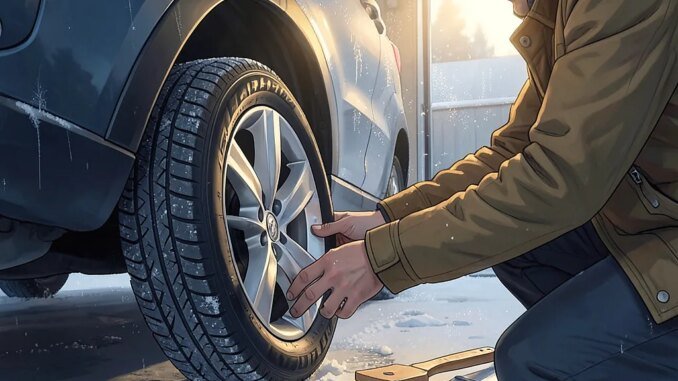
Cold temperatures, rain, snow, and ice can make driving more hazardous. Before winter weather sets in, check your vehicle’s mechanical condition, tires, lights, windows, and fuel level. These simple preparations can help maintain visibility and control on both city streets and longer journeys.
Complete Essential Mechanical Checks
Arrange a mechanical inspection before temperatures drop. Ask a qualified technician to check key systems and address any faults rather than waiting for severe weather to expose them. Keep the fuel tank at least half full, especially when traveling farther from home or in areas where delays are possible.
More vehicles on the road and poor weather can increase the risk of crashes. Preparing your car in advance helps reduce avoidable problems during winter journeys.
Keep Windows, Mirrors, and Lights Clear
Clear snow and ice from the vehicle before driving, including the windows, mirrors, and lights. Once the engine is running, remove any condensation from the windows so you have a clear view in every direction. Check that the headlights and other lights work properly, and keep their lenses clean so other road users can see you.
Check Tires, Pressure, and Wheel Nuts
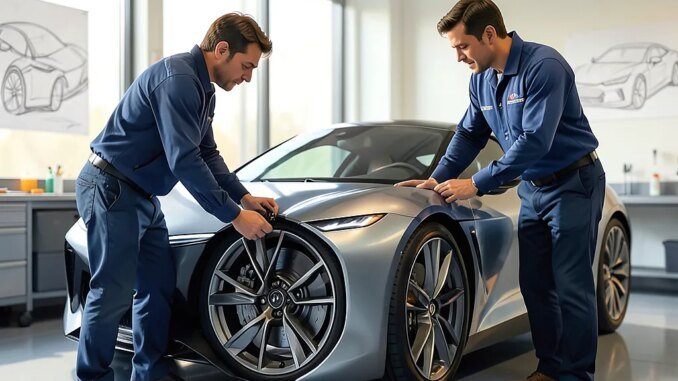
Inspect the tires regularly and check their pressure according to the vehicle manufacturer’s guidance. Wet roads make tire condition especially important for maintaining grip. Before winter begins, examine the wheels and make sure each wheel nut is secure. Check the fastenings on all four wheels carefully, and ask a mechanic for help if you are unsure.
Winter Car-Preparation Checklist
Before setting off in cold or wet weather, make sure you have:
• Completed essential mechanical checks.
• Kept the fuel tank at least half full.
• Cleared snow, ice, and condensation from the windows.
• Checked mirrors and lights for clear visibility and proper operation.
• Inspected tire condition and pressure.
• Confirmed that the wheel nuts are secure.







Be the first to comment