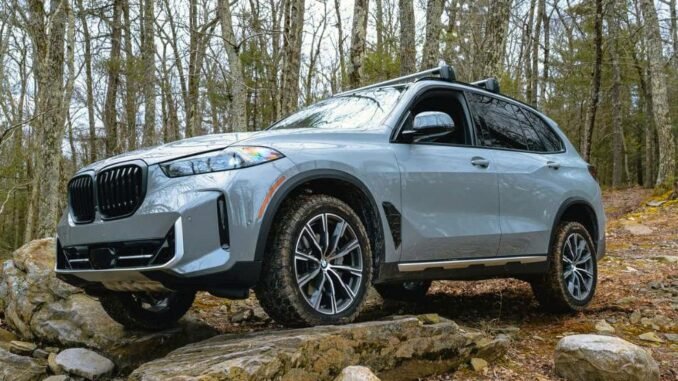
Unveiling the End of an Era: Mercedes-Benz GLE 350de
Mercedes-Benz has officially announced the cessation of its in GLE 350plug-in hybrid (PHEV) model, marking a significant shift in the automotive industry’s approach to emissions and electric mobility. This decision, effective from August 2026, reflects a strategic move driven by escalating costs, complex technology integration, and tightening regulatory standards, particularly in Europe.
the in GLE 350was once celebrated as a flagship of efficiency and innovation, combining a 2.0-liter diesel enginewith an electric motor to deliver impressive performance metrics. With an output around 333 horsepowerand a hybrid range exceeding 900 kilometers, it set a benchmark for luxury hybrids. However, the landscape is changing quickly, and maintaining these advanced systems has become a costly endeavor with diminishing returns.
Why Is Mercedes Ending the GLE 350?
The primary factor behind the discontinuation of the in GLE 350lies in the impending Euro 7 regulations. These new standards impose stringent limits on emissions, requiring significant overhaul of existing engine platforms and hybrid systems. For Mercedes, adapting the complex diesel plug-in hybrid configuration to meet these standards proved increasingly unviable.
developing Euro 7-compliant diesel hybrid systemsSubstantial investment in new technology involves extensive testing, and re-engineering. The cost of implementing these changes surpasses the potential profit margins for models like the in GLE 350, especially as consumer preferences lean toward electric-only powertrains. Additionally, the rising expenses associated with compliance are reflected in higher vehicle prices, disclosing customers.
Market Trends and Consumer Shift Toward Electric Vehicles
The automotive sector is undergoing a profound transformation, with electric vehicles (EVs)gaining unprecedented popularity. Consumer demand gravitates toward cleaner, simpler propulsion systems that promise lower maintenance costs, longer-lasting components, and zero emissions. The seeking interest in diesel technology, driven by environmental concerns and stricter regulations, further accelerates this shift.
In Europe, the decline of diesel models has been noticeable over the last few years, and manufacturers are responding by reallocating resources to full EV portfolios. Mercedes-Benz’s move to phase out the in GLE 350aligns with its broader vision of becoming a fully electric brand by 2030.
The Future of Mercedes-Benz: Electric-Only Strategy
Mercedes has announced that it will continue to expand its EQ series, which specializes in all-electric vehicles designed to deliver high performance, luxurious comfort, and cutting-edge technology. This shift is not just about regulatory compliance but also about redefining mobility experience and staying ahead in a competitive market.
Models like the EQE, EQB, and the upcoming EQGwill serve as the pillars of Mercedes’ future lineup. The automaker intends to streamline development costs by focusing on electric-only platforms, simplifying production and maintenance while ensuring compliance with future standards.
The Impact on Consumers and Market Dynamics
- Price implications:As emissions-intensive hybrid systems are phased out, the cost of remaining vehicles might increase initially due to the investments needed for electrification, but long-term savings on maintenance and fuel are expected to outweigh these costs.
- Performance expectations:Modern electric vehicles promise instant torque, smoother acceleration, and quieter rides. Mercedes continues to enhance these features, making EVs more appealing than traditional hybrids.
- Charging infrastructure:Daimler’s commitment extends beyond vehicle development, actively pushing for improved charging networks, faster chargers, and innovative energy solutions to support a seamless electric transition.
Technological Innovation and Industry Leadership
Mercedes-Benz’s decision reflects a broader industry trend where automakers are increasingly focusing on simplifying design and engineering to meet strict environmental standards. The move away from complex diesel hybrid systems toward pure electric propulsion allows for faster innovation cycles, better integration of autonomous driving technology, and smarter energy management.
This approach positions Mercedes as a leader in the future automotive landscape, where sustainable mobilityis no longer optional but mandatory. The company’s investments in battery technology, software, and infrastructure accelerate its transition to a zero-emission future.
Conclusion: A New Chapter for Mercedes-Benz
The end of the in GLE 350marks a strategic pivot that encapsulates a pivotal moment in the automotive industry. While it signifies the departure from diesel plug-in hybrids, it simultaneously heralds a new era focused entirely on electric vehicles. Mercedes-Benz’s commitment to innovation ensures that this transition will be accompanied by advanced technologies, superior performance, and a more sustainable future for mobility.