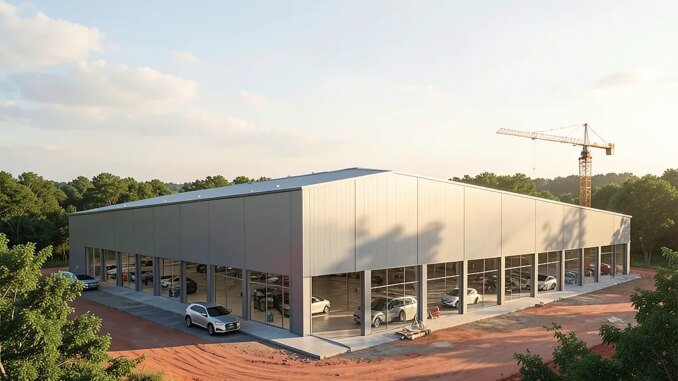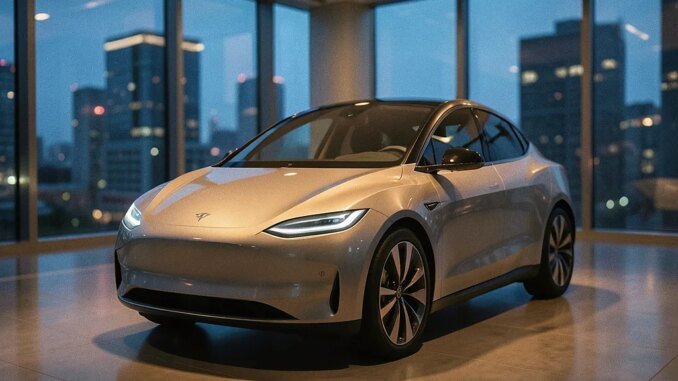
Last spring in Mesa, Arizona TeslaThe attack on the dealer attracted the attention of the whole public with the images captured on security cameras and the evidence obtained. The 35-year-old who was tried after the incident Ian William Moseswas sentenced to heavy imprisonment at the verdict hearing. According to the court’s statement, Moses was a CybertruckHe was sentenced to a total of 5 years in prison for setting fire to and damaging the dealer building. At the end of his prison term, a three-year probation period awaits him.
In the images reflected on security camerasIt is clearly seen that the attacker approached the building wearing a dark hooded outfit and mask, poured flammable liquid and set the vehicle on fire. Authorities, who arrived at the scene quickly on the day of the incident, stated that Moses rode away from the scene on a bicycle and was detected only a few hundred meters away when the fire started.
U.S. Attorney Timothy CourchaineEmphasizing that it is unacceptable to justify such attacks with a political justification, he stated that the penalties given reflect the seriousness of the crime. However, this incident is considered only part of a growing wave of anger and chaos on a global scale. In the spring of 2025, many Tesla dealerships and charging stations around the world became the target of such attacks. More than 50 cases have been recorded in the United States and 17 detailed cases in other countries.
Elon Musk and the winds of change within the governmentThe tension it creates resonates in the background of such events. It is claimed that pressure is being put on federal institutions and some political decisions are being implemented through the “Department of Government Efficiency”, known as DOGE. Discussions continue to point out that the dismantling of USAID increases the risk of hunger and crisis for millions of people. According to data from Boston University researchers, it is claimed that many people die every hour due to these decisions.
Media analysisFrom this perspective, it is questioned how the repercussions of a Cybertruck on the global landscape shape the perception of justice between East and West. Commentators emphasize the social consequences of imbalances in the justice system and political transformations in these events, which go beyond an individual case of arson. The case in Mesa is considered not only as an example of violence and the struggle for public safety, but also as one of the reflections of global political polarization.