
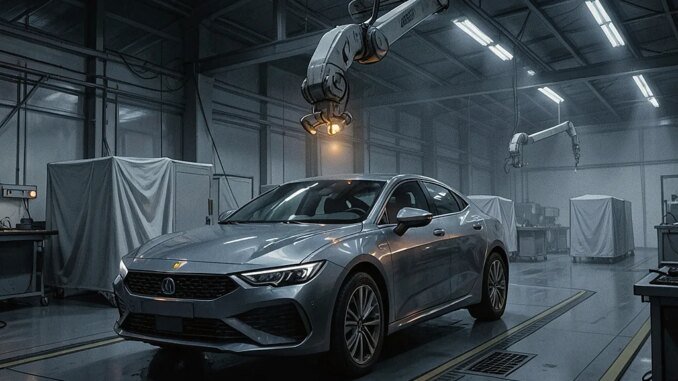
Automakers have invested in hydrogen-powered cars for years, but these vehicles remain rare in passenger-car markets. Hyundai executive Scott Nargar has identified a central challenge: manufacturers can build hydrogen cars, but they still need enough customers willing to buy them. High vehicle costs and limited refueling infrastructure make that difficult, while battery-electric cars are becoming a more familiar choice for many drivers.
Why aren’t hydrogen cars more popular?
Hydrogen cars face a connected set of obstacles: drivers have few places to refuel, fuel-cell systems can be expensive, and limited availability makes buyers hesitant. A vehicle may work well, but consumers are unlikely to choose it if they cannot confidently find hydrogen along their usual routes.
This creates a cycle that slows adoption. A small number of hydrogen stations makes the cars less convenient to own, while low vehicle sales make it harder for companies to justify building more stations. Breaking that cycle requires coordinated investment in both vehicles and refueling networks.
Why does Hyundai say finding customers is the challenge?
Hyundai continues to develop hydrogen technology, but Scott Nargar’s comments highlight that engineering a vehicle is only part of the task. Automakers also need buyers who consider the vehicle affordable and practical for everyday use.
That means manufacturers must address the full ownership experience: purchase price, access to fuel, refueling convenience and the availability of stations on regular journeys. Without those conditions, even a capable hydrogen car may struggle to attract a broad customer base.
How do refueling stations and costs affect buyers?
Before buying a hydrogen car, drivers need to check whether stations are available near home, work and common travel routes. Sparse networks can make routine refueling more complicated, especially outside areas where hydrogen infrastructure already exists. Vehicle and fuel-cell costs add another barrier for shoppers comparing options.
- Limited infrastructure: Hydrogen stations remain less widespread than everyday charging options for battery-electric vehicles.
- Vehicle costs: Fuel-cell systems can make it harder to offer hydrogen cars at prices that appeal to a large market.
- Refueling convenience: Drivers need reliable access to fuel where they live and travel.
- Uncertain demand: Low sales can discourage further investment in both vehicle production and station networks.
Which automakers are still developing hydrogen cars?
Hyundai, Toyota and BMW continue to explore hydrogen technology. Toyota sells the Mirai, a hydrogen fuel-cell passenger car, while BMW has worked with Toyota on fuel-cell development. Their efforts reflect interest in hydrogen as one possible route toward lower-emission transport, rather than proof that it will replace battery-electric cars across the market.
The role hydrogen may play depends on practical factors, including vehicle cost, station coverage and the needs of particular drivers and markets. Progress in fuel-cell technology alone cannot guarantee widespread adoption.
Which automakers have scaled back hydrogen passenger-car projects?
Several manufacturers have ended or canceled passenger-car hydrogen programs as they reassessed costs, infrastructure and customer demand. Mercedes stopped its passenger-car hydrogen work, and Honda ended production of the Clarity. Volkswagen, Stellantis and General Motors also canceled hydrogen vehicle projects and shifted resources toward battery-electric vehicles.
These decisions do not mean hydrogen technology has disappeared. They do show that many manufacturers currently see stronger demand and investment opportunities in battery-electric passenger cars.
What would it take for hydrogen cars to grow?
Hydrogen cars need more accessible refueling stations, lower vehicle and fuel-cell costs, and dependable fuel access for everyday journeys. Automakers and infrastructure providers would also need enough customers to support continued investment. Introducing additional models without improving these conditions may not be enough to change the market.
In short: Hydrogen cars’ main challenge is not simply building the vehicles. Manufacturers must also make them affordable and convenient to refuel. Hyundai, Toyota and BMW continue their work, while other automakers have stepped back, leaving the technology’s long-term role in passenger cars uncertain.


Be the first to comment