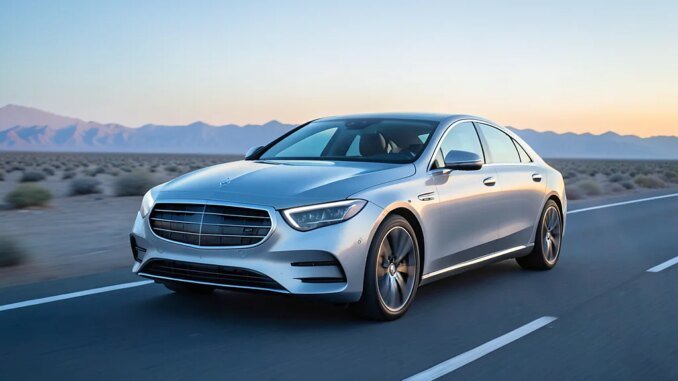
Mercedes-Benz is rewriting its future playbook in the electric vehicle (EV) market. As the automotive giant prepares for a transformed lineup after 2027, industry watchers and consumers alike should understand the nuanced strategy behind these shifts. The move isn’t just about dropping certain models; it’s about re-aligning their entire EV approach to deliver sustainability, innovation, and luxury with precision and purpose. ## How Mercedes-Benz Is Reshaping Its EV Portfolio for 2027 and Beyond Mercedes-Benz announced an ambitious plan to streamline its electric model offerings starting after 2027. This includes discontinuing several high-profile models such as the EQE sedan, the Mercedes-AMG S63 E Performance, and the Maybach EQS 680 SUV. The decision stems from a desire to reduce complexity, cut costs, and focus resources on developing dedicated platforms for future EVs. By doing this, Mercedes-Benz aims to accelerate innovation and create a more cohesive luxury EV ecosystem. ##Why Is the EQE Being Phased Out? The EQE was designed to rival the BMW i7 and Audi A8 e-tron in the luxury electric sedan segment, but it underperformed expectations in sales and market reception. The models’ physical and technological similarities with internal combustion engine (ICE) vehicles meant they lacked a true EV identity, diluting Mercedes’ brand strength in the EV space. To solve this, Mercedes-Benz plans to shift its focus toward dedicated EV architectures that could offer superior range, faster charging, and cutting-edge digital features. In practice, this means that future luxury sedans will be built from the ground up as electric, rather than converted from traditional platforms. This approach ensures better weight distribution, safety, and customization, setting the stage for the next-generation models. ## The End of AMG S63 E Performance: A Strategic Retreat or a Shift Toward Efficiency? The AMG S63 E Performance, with its impressive 802 horsepower and plug-in hybrid setup, symbolized Mercedes’ commitment to high-performance hybrid technology. However, post-2027 plans suggest shifting focus towards full EVs that emphasize pure electricity rather than hybrid performance. This move may seem like a retreat but actually signals a smarter, future-proof investment. Mercedes-Benz aims to develop more advanced battery technology and electric drivetrains that offer elite performance without combustion engines or hybrid systems. This transition aligns with global regulatory pressures and consumer demand for cleaner, more efficient luxury vehicles. ## Reinventing the Maybach Luxury Electric SUV Segment The Maybach EQS 680 SUV has been a flagship in ultra-luxury EVs, blending opulence with cutting-edge technology. However, Mercedes-Benz intends to phase out this model and replace it with new offerings that leverage next-gen EV architectures. This strategy focuses on enhancing customization, introducing ultra-premium materials, and integrating autonomous driving capabilities. Expect new models to feature augmented reality dashboards, highly personalized cabins, and possibly new electric platforms tailored specifically for ultra-luxury and performance markets. This ensures Maybach remains the pinnacle of Mercedes’ electric innovation. ## The Broader Strategy: Focus on Dedicated EV Platforms and Interconnected Models Mercedes-Benz recognizes that consumer preferences favor vehicles specifically engineered for electric powertrains. To that end, the automaker is shifting from multi-purpose architectures to dedicated EV platforms like MEA (Mercedes-EQ Architecture), optimized for range, power, and luxury. Instead of fragmenting their lineup with hybrid and ICE models, Mercedes aims to create a seamless, unified EV ecosystem—think of it as a technologically advanced, interconnected family of vehicles that share a common backbone but adapt to various segments from compact SUVs to flagship sedans. ## How Will These Changes Impact Consumers? – Enhanced Performance & Range: Ground-up electric architectures allow for better battery placement and weight distribution, boosting efficiency and driving experience. – Faster Charging & Better Technology: Future models will support ultra-fast charging capabilities, minimizing downtime and maximizing convenience. – Luxurious & Customizable Interiors: A focus on interior innovation, including sustainable materials, personalization, and digital integrations. – More Competitive Pricing & Availability: By refining production processes and modular platforms, Mercedes-Benz can potentially offer more competitive pricing and broader availability. ## Timeline and Expectations: What’s Next? – 2027 and After: Discontinuation of several models, with a focus on new EV architectures. – 2024-2026: Launch of next-gen SUVs and sedans built on the new dedicated EV platforms, emphasizing performance, luxury, and technology. – Post-2027: Introduction of ultra-luxury and ultra-performance models that harness the full potential of Mercedes’ new EV tech. ##Why This Matters in the EV Race Mercedes-Benz is betting that dedicated platforms and strategic model curation will give them an edge in the highly competitive luxury EV segment. As brands like Tesla, BMW, and Audi accelerate their EV offerings, Mercedes’ move to optimize its lineup for maximum efficiency and customer experience could redefine competitive standards. They aim to dominate not just in engineering but also in the luxury, digital, and sustainability realms. ## Conclusion Mercedes-Benz’s audacious move to recalibrate its EV lineup post-2027 signals a new era of innovation and strategic focus. By dropping models that don’t align with their future vision, they concentrate on building a truly dedicated, cutting-edge electric portfolio that meets evolving consumer expectations. This shift promises to redefine luxury EV standards, positioning Mercedes-Benz as a leader in autonomous, sustainable mobility for years to come.